
Are There Contact Lenses That Actually Help With Dry Eyes?
Dry eye symptoms are one of the most common reasons patients struggle with contact lens wear. Many wearers experience burning, redness, fluctuating vision, and discomfort — especially toward the end of the day.
At Raleigh Contact Lens, we specialize in advanced contact lens technologies designed specifically for improved comfort, moisture retention, and corneal protection in dry eye cases.
- Why Dry Eye Occurs With Contact Lens Wear
Dryness often increases when the tear film becomes unstable or evaporates quickly. This can result from:
- Low tear production
- Poor-quality tear film
- Long screen time with reduced blinking
- Wearing lenses longer than recommended
- Sleepless or extended wear of contacts
When the tear layer breaks down, the lens surface becomes dry, causing friction, irritation, and blurred vision.
- Which Contact Lenses Actually Help With Dry Eyes?
Silicone Hydrogel Lenses
These lenses allow significantly more oxygen to reach the cornea than traditional hydrogel, reducing dryness and irritation throughout the day.
Daily Disposable Lenses
A new, fresh lens every day means:
• No deposit build-up
• Minimal allergen exposure
• Constantly renewed moisture surface
This design is ideal for patients who feel dryness intensifies by evening.

Water-Gradient / High-Moisture Lenses
These innovative lenses hold moisture on the surface longer, helping prevent evaporation and end-of-day dryness.
Scleral Lenses for Severe Dryness
Unlike standard lenses, scleral lenses do not rest on the cornea. Instead, they vault over the eye and create a fluid reservoir, which:
• Keeps the eye hydrated all day
• Prevents direct corneal contact
• Reduces pain, friction, and light sensitivity
Scleral lenses are often recommended for patients who have not been able to tolerate traditional contacts due to dryness.
- Advanced Evaluation for Lens Fitting
To ensure maximum comfort and hydration, we utilize:
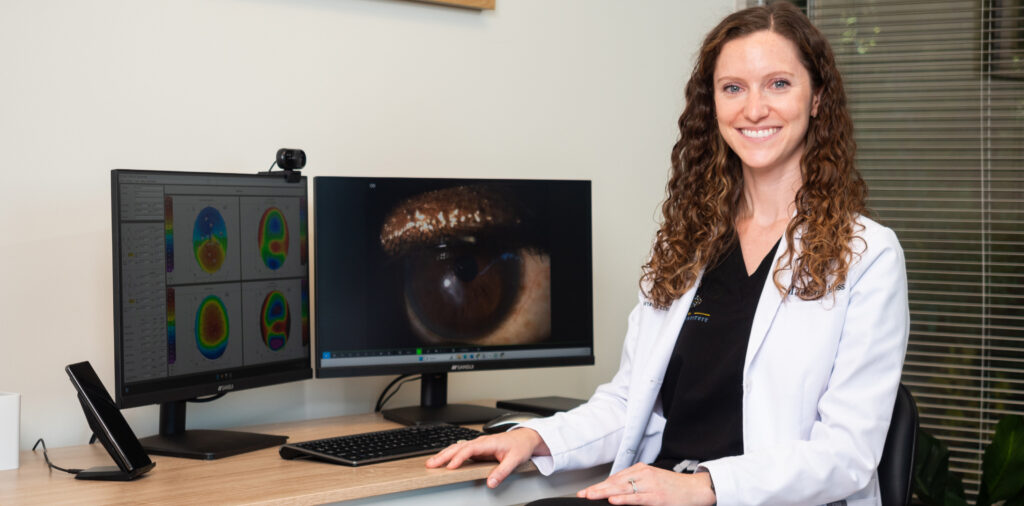
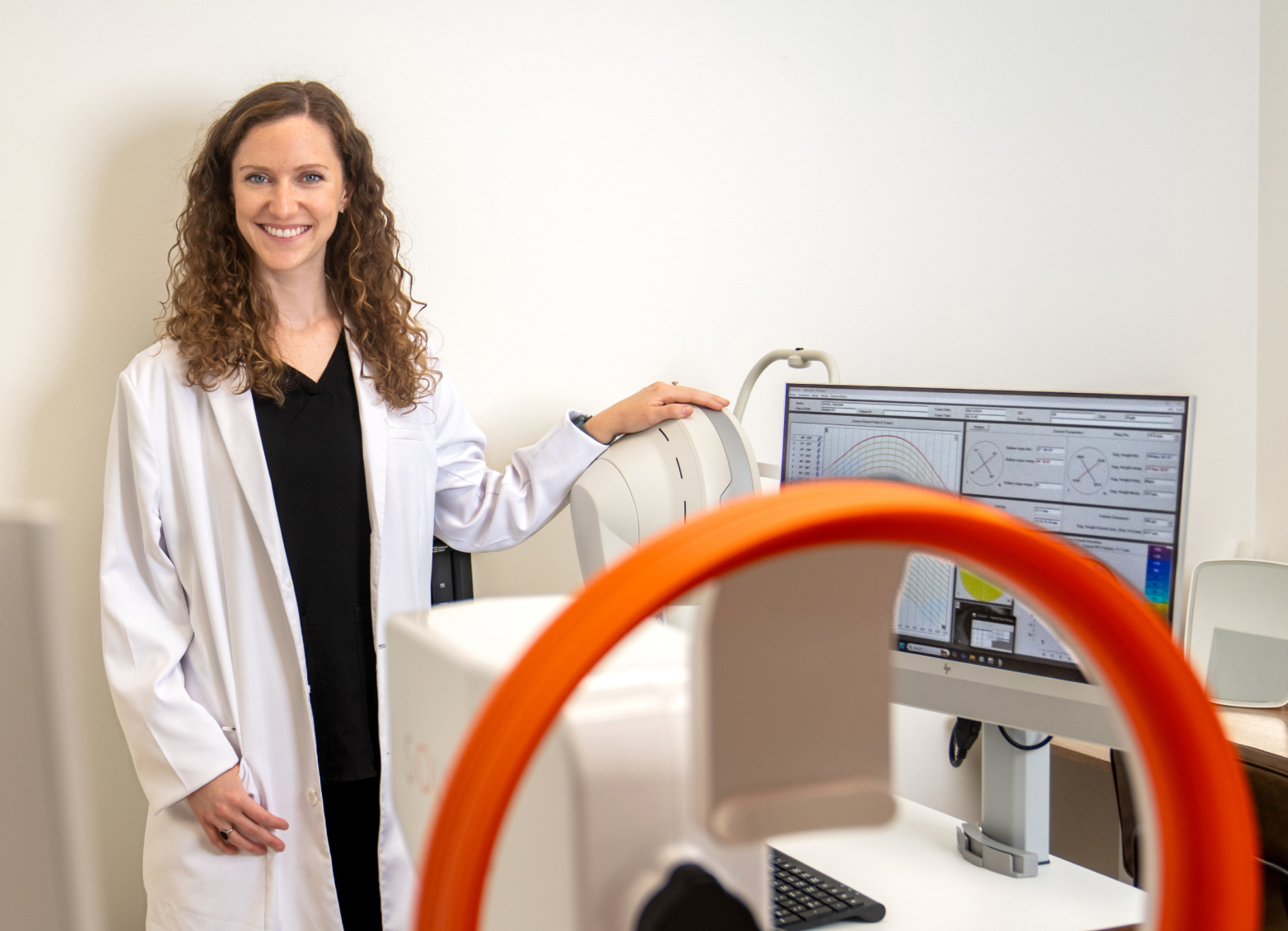
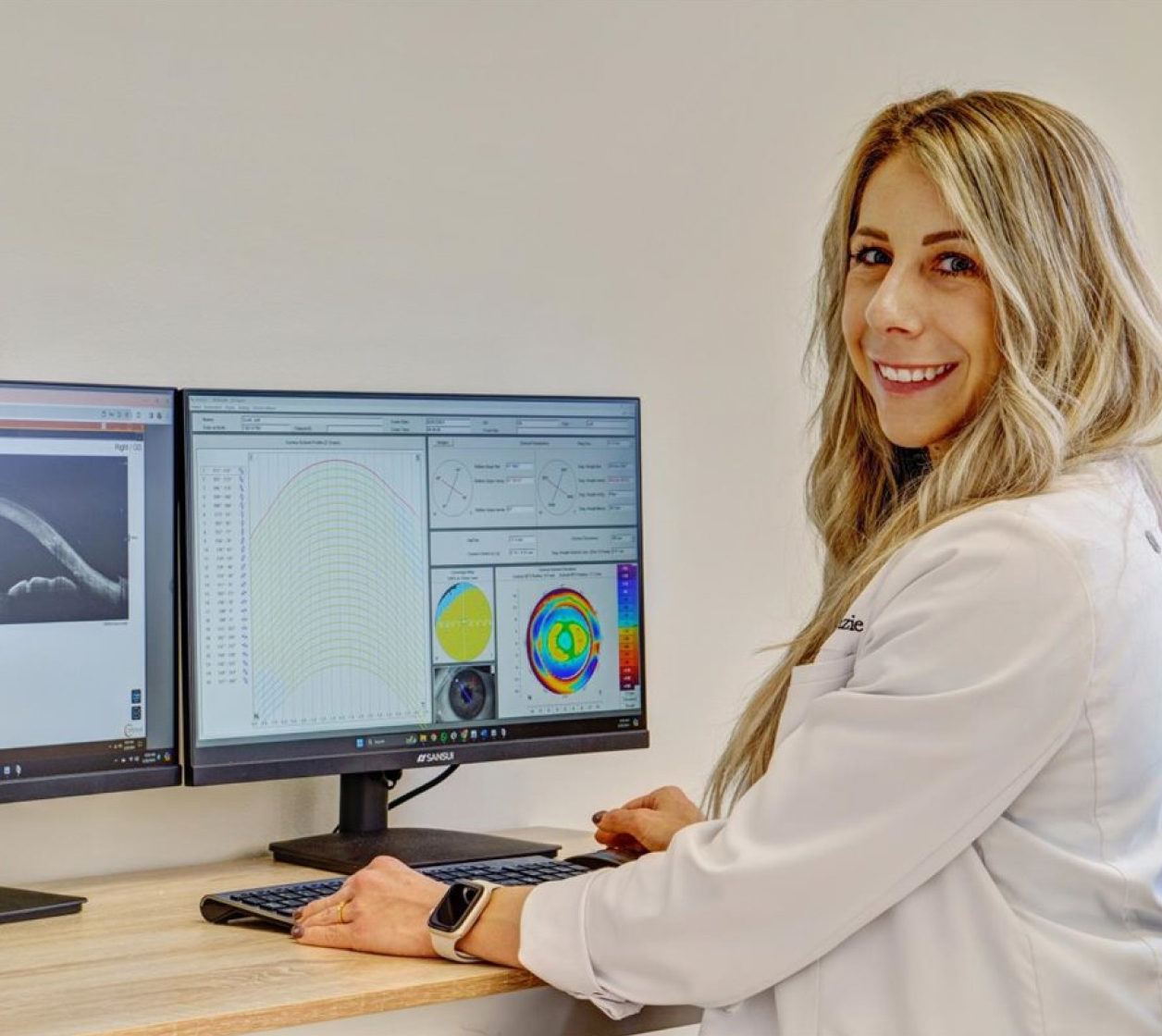
- Corneal topography – maps corneal surface and tear behavior
- Anterior segment OCT – measures corneal vault and fluid layer
- Tear film analysis – evaluates evaporation and tear quality
This technology helps determine whether daily disposables, silicone hydrogel, or scleral lenses will best support your dry eye condition.
- Who Is a Candidate for Dry-Eye Friendly Lenses?
You may benefit from specialized lens options if you have:
- Dry eye syndrome
- Post-LASIK or refractive dryness
- Contact lens intolerance
- Tear film instability
- Autoimmune-related dryness
Even patients who previously stopped wearing contacts due to discomfort may return successfully with updated lens technology.

- Frequently Asked Questions
Are contacts safe if I have dry eyes?
Do daily disposables help dryness?
Are scleral lenses comfortable for dry eyes?
Can lubricating drops be used with contacts?
How long can I wear contacts if I experience dryness?
Typically 6–10 hours, depending on severity and lens type. Avoid overnight wear unless directed by a specialist.