

Keratoconus Progression: How to Know If Your Cornea Is Changing
Keratoconus is a progressive eye condition that causes the cornea to thin and gradually bulge into a cone-like shape. As the condition advances, vision can become increasingly distorted, making everyday activities more challenging.
Understanding the signs of progression is important because early detection and treatment can help preserve vision. Many patients become concerned when they notice keratoconus progression symptoms and wonder whether their condition is changing over time.
- What Is Keratoconus Progression?
Keratoconus progression occurs when the cornea continues to thin and change shape. These structural changes can lead to worsening vision and an increased need for updated prescriptions or specialized treatment.
While progression rates vary from person to person, the condition is often more active during the teenage years and early adulthood.
- Common Signs That Keratoconus May Be Getting Worse
1. Increasing Blurry Vision
One of the earliest indicators of progression is a noticeable decline in visual clarity. Objects may appear distorted or out of focus even when wearing glasses or contact lenses.
2. Frequent Prescription Changes
If your eyeglass or contact lens prescription changes regularly, it could indicate ongoing corneal changes.
3. Increased Sensitivity to Light
Many patients experience greater discomfort in bright environments as the cornea becomes more irregular.
4. More Glare and Halos
Halos around lights, glare while driving at night, and difficulty seeing in low-light conditions can become more pronounced.
5. Difficulty Achieving Clear Vision
Even with updated corrective lenses, some individuals may struggle to achieve sharp vision as the condition progresses.
These are among the most common keratoconus progression symptoms reported by patients.

- How Eye Doctors Monitor Progression
Specialists use advanced diagnostic tools to evaluate changes in the cornea over time. Common tests include:
Corneal Topography
This creates a detailed map of the cornea’s surface and helps identify shape changes.
Corneal Tomography
Advanced imaging provides a three-dimensional view of the cornea, allowing doctors to detect subtle progression.
Pachymetry
This test measures corneal thickness, which is an important factor in monitoring keratoconus.
Regular exams help determine whether keratoconus getting worse is a concern and whether treatment is needed.
- What Causes Keratoconus to Progress?
Although the exact cause remains unclear, several factors may contribute to progression:
- Genetic predisposition
- Chronic eye rubbing
- Allergies and eye irritation
- Underlying connective tissue disorders
Managing these risk factors may help reduce stress on the cornea.
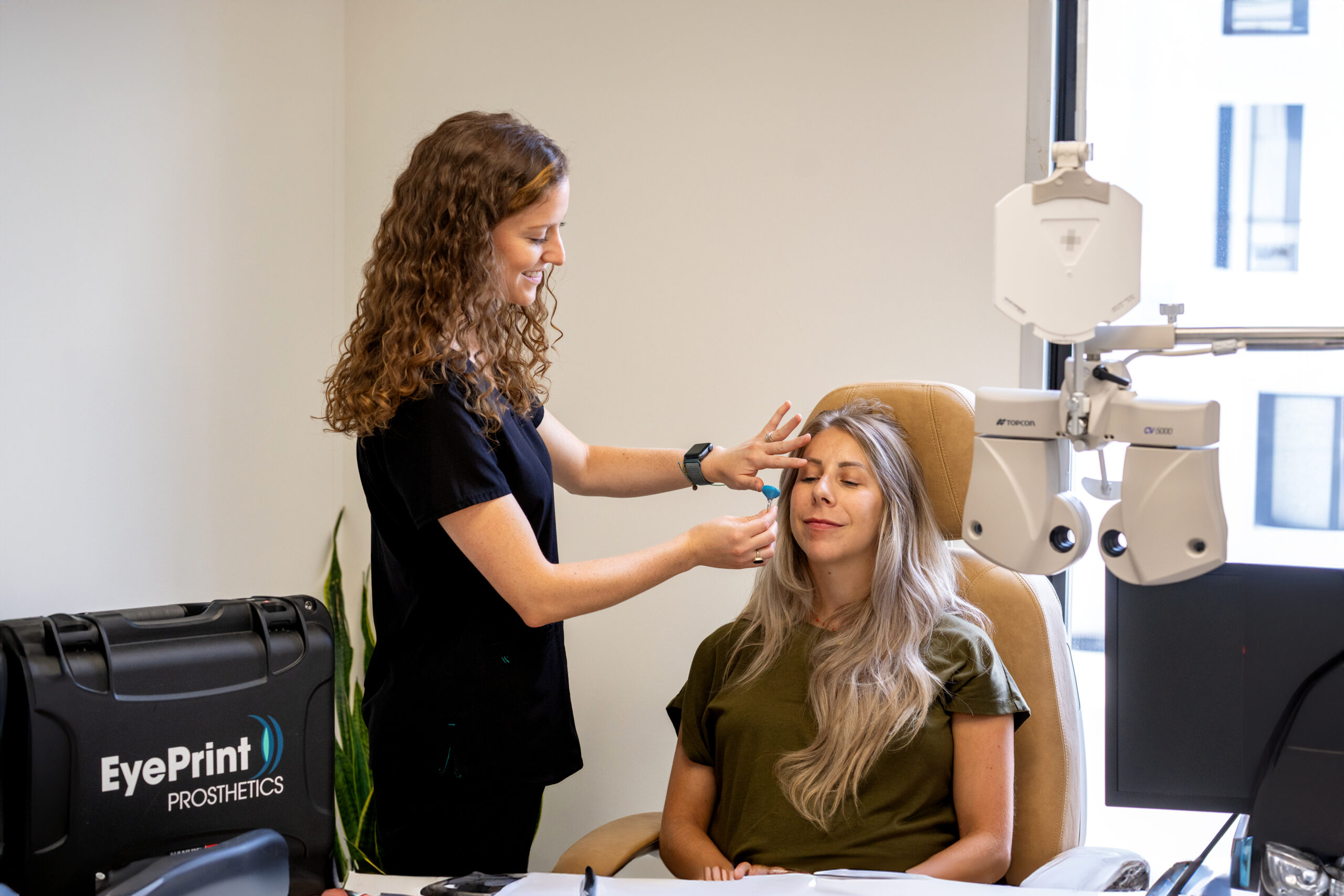
- Treatment Options for Progressive Keratoconus
Corneal Cross-Linking
Corneal cross-linking is currently one of the most effective treatments for slowing or stopping progression. The procedure strengthens corneal tissue and helps stabilize the eye.
Specialty Contact Lenses
Scleral lenses and other specialty lenses can improve vision by creating a smooth optical surface over the irregular cornea.
Regular Monitoring
Routine follow-up appointments allow specialists to detect changes early and adjust treatment plans as needed.
- When Should You See a Specialist?
If you notice increasing blur, frequent prescription changes, worsening glare, or other keratoconus progression symptoms, it is important to schedule an eye examination. Early intervention often provides the best opportunity to preserve long-term vision.
- Conclusion
Keratoconus progression can significantly impact vision if left untreated. Recognizing the warning signs and seeking timely care can make a substantial difference in maintaining eye health and visual quality.
If you suspect your condition is changing or notice signs of keratoconus getting worse, consult an experienced eye care professional for a comprehensive evaluation and personalized treatment recommendations.


- Frequently Asked Questions
1. What are the first signs of keratoconus progression?
Early signs often include increasing blurry vision, more frequent prescription changes, light sensitivity, and worsening glare or halos around lights.
2. How do I know if keratoconus is getting worse?
Signs of keratoconus getting worse may include declining vision quality, difficulty seeing clearly with glasses, and noticeable changes in corneal measurements during eye exams.
3. How often should keratoconus patients have eye exams?
Most specialists recommend regular follow-up visits, often every 6 to 12 months, depending on age and the severity of the condition.
4. Can keratoconus progression be stopped?
While the condition cannot be reversed, treatments such as corneal cross-linking can help slow or stop further progression in many patients.
5. What are common keratoconus progression symptoms?
Common keratoconus progression symptoms include blurry vision, increased astigmatism, glare, halos, ghosting, and frequent prescription changes.
6. Does eye rubbing make keratoconus worse?
Research suggests that chronic eye rubbing may contribute to corneal damage and could accelerate progression in some individuals.
7. Can specialty contact lenses stop keratoconus progression?
Specialty lenses improve vision and comfort but generally do not stop progression. Corneal cross-linking is often recommended to stabilize the cornea.
8. Is keratoconus progression more common in younger people?
Yes. Progression tends to occur more rapidly during adolescence and early adulthood, which is why early monitoring is important.
9. What tests are used to monitor keratoconus?
Doctors commonly use corneal topography, corneal tomography, pachymetry, and comprehensive eye examinations to track changes over time.
10. When should I seek treatment for keratoconus?
If you notice worsening vision, frequent prescription changes, or other symptoms that suggest progression, schedule an evaluation with an eye care specialist as soon as possible.