
Scleral Lens Problems: When to Refit, Redesign, or Try a Different Technology
Scleral lenses have transformed vision correction for people with keratoconus, severe dry eye, corneal irregularities, and other complex eye conditions. While these lenses often provide exceptional comfort and visual clarity, they are not always a one-size-fits-all solution.
Over time, changes in eye shape, lens wear patterns, or underlying eye conditions may create issues that affect comfort and performance. Patients using scleral lenses Raleigh and throughout the Triangle area often benefit from periodic evaluations to ensure their lenses continue to meet their needs.
- Common Scleral Lens Problems
1. Midday Fogging
One of the most frequently reported concerns is blurry or cloudy vision caused by debris accumulating beneath the lens. This issue can often be addressed through lens modifications or adjustments to lens care routines.
2. Reduced Comfort
If your lenses suddenly feel uncomfortable, it may indicate changes in the eye surface, dry eye severity, or lens fit.
3. Redness and Irritation
Persistent redness after lens wear may suggest excessive lens pressure, poor tear exchange, or an underlying ocular surface condition that requires attention.
4. Declining Vision Quality
Even if a lens once provided excellent vision, corneal changes can impact its effectiveness over time. Regular monitoring helps identify when modifications are necessary.
Patients wearing scleral lenses Durham or surrounding areas should never ignore persistent discomfort or vision changes.
- When Is a Refit Necessary?
A scleral lens refit may be recommended when:
- Your prescription changes significantly
- The lens no longer centers properly
- Comfort decreases despite proper care
- Corneal measurements show noticeable changes
- Vision becomes inconsistent throughout the day
Eye conditions such as keratoconus may progress over time, making a previously successful lens fit less effective.

- When Should a Lens Be Redesigned?
Sometimes the issue is not the overall fit but specific lens parameters. In these cases, redesigning the lens may solve the problem.
Examples include:
Adjusting Lens Vault
Changes in corneal shape may require modifications to the clearance between the lens and cornea.
Modifying Landing Zones
The area where the lens rests on the sclera may need adjustment to improve comfort and reduce redness.
Improving Tear Exchange
Design changes can help minimize fogging and improve lens performance.
Patients using scleral lenses Cary often discover that small design refinements can dramatically improve comfort and visual quality.
- When to Consider New Lens Technology
In some situations, newer technology may provide better results than modifying an older design.
Advanced Scleral Lens Designs
Modern scleral lenses offer enhanced customization and improved fitting options for complex eyes.
Impression-Based Lens Technology
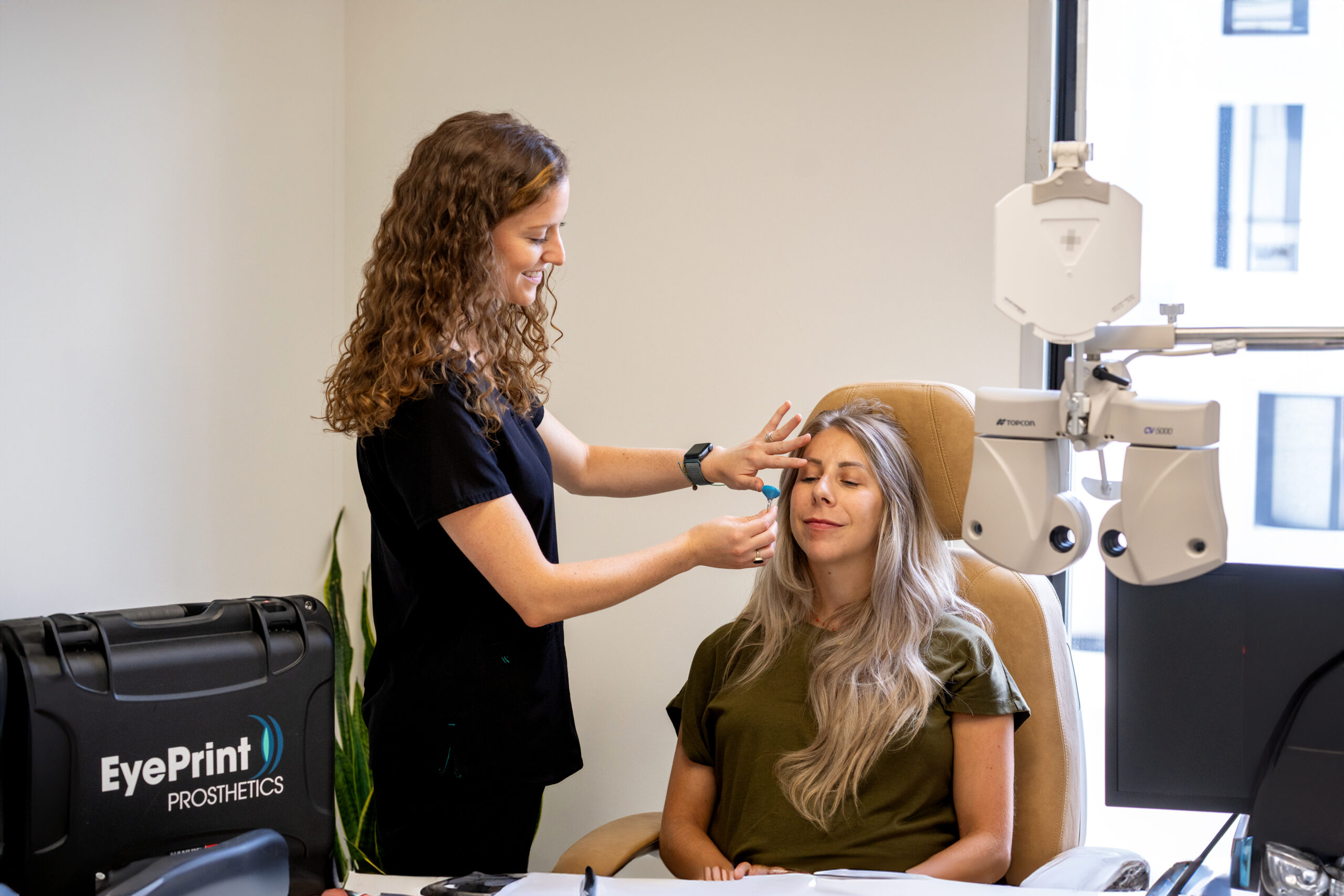
Technologies such as EyePrintPro create highly personalized lenses based on an exact impression of the eye.
Wavefront-Guided Vision Correction
Advanced systems can address higher-order aberrations that traditional lens designs may not correct.
These innovations have expanded the possibilities for patients seeking custom scleral lenses North Carolina and improved outcomes for challenging cases.
- Signs You Should Schedule an Evaluation
Consider seeing a specialist if you experience:
- Frequent lens fogging
- Increasing redness or irritation
- Difficulty achieving clear vision
- Reduced wearing time
- Changes in eye health or comfort
Early intervention often prevents minor issues from becoming major problems.
- Why Expert Follow-Up Care Matters
Scleral lenses are highly specialized medical devices that require ongoing monitoring. Even small changes in corneal shape or eye health can affect lens performance.
Whether you wear scleral lenses Raleigh, scleral lenses Durham, or scleral lenses Cary, regular evaluations help ensure that your lenses continue to provide optimal comfort, vision, and eye health.
- Conclusion
Scleral lens problems do not always mean you need to stop wearing your lenses. In many cases, a simple refit, design adjustment, or upgrade to newer technology can restore comfort and clarity.
For patients exploring custom scleral lenses North Carolina, working with an experienced specialty contact lens provider can help identify the most effective solution and ensure long-term success.


- Frequently Asked Questions
1. How do I know if my scleral lenses need to be refit?
Signs include reduced comfort, blurry vision, frequent redness, lens movement, or significant changes in your prescription or eye condition.
2. Why do scleral lenses become uncomfortable over time?
Changes in corneal shape, dry eye severity, lens wear patterns, or ocular health can affect how a lens fits and feels.
3. Can scleral lens fogging be fixed?
Yes. Midday fogging can often be improved through lens design changes, fitting adjustments, dry eye treatment, or modifications to your lens care routine.
4. When should I replace my scleral lenses?
Replacement schedules vary, but lenses may need replacement if they become damaged, scratched, or no longer provide proper fit and vision correction.
5. What are custom scleral lenses?
Custom scleral lenses North Carolina specialists provide are individually designed based on your eye measurements to maximize comfort and visual performance.
6. Can keratoconus cause my scleral lens fit to change?
Yes. Progressive corneal conditions like keratoconus can alter the shape of the eye, requiring periodic lens modifications or refitting.
7. Are newer scleral lens technologies better?
Advanced technologies may offer improved customization, comfort, and vision quality for patients who have not achieved optimal results with traditional designs.
8. How often should scleral lens patients have follow-up exams?
Most specialists recommend annual evaluations, although some patients may require more frequent monitoring depending on their condition.
9. Can a lens redesign solve redness and irritation?
In many cases, yes. Adjustments to the landing zone, vault, or overall lens design can reduce pressure and improve comfort.
10. Where can I get specialty scleral lens care in North Carolina?
Patients seeking scleral lenses Raleigh, scleral lenses Durham, scleral lenses Cary, or custom scleral lenses North Carolina solutions should consult a specialty contact lens provider experienced in advanced fitting technologies.