Corneal Transplant Contact Lenses: How Specialty Lenses Improve Vision After Surgery
A corneal transplant can restore the health of a damaged cornea, but it does not always restore perfect vision. After surgery, many patients continue to experience irregular astigmatism, glare, blurred vision, or difficulty achieving clear sight with glasses alone. In these cases, specialty contact lenses often provide the best opportunity for sharper, more comfortable vision.
Patients searching for specialty contact lenses Durham frequently do so because they need advanced vision correction following corneal transplant surgery. With modern lens technology and customized fitting techniques, many individuals can return to daily activities with improved visual quality.
Why Vision May Still Be Blurry After a Corneal Transplant
Although a corneal transplant replaces damaged tissue, the new cornea may heal with slight irregularities. These changes can affect how light enters the eye, making it difficult for glasses or standard soft contact lenses to provide optimal vision.
Common reasons for blurred vision after a corneal transplant include:
- Irregular corneal shape
- Residual astigmatism
- Corneal scarring
- Healing-related changes
- Uneven corneal surface
A specialty contact lens evaluation can help determine the best solution for improving visual performance.
How Specialty Contact Lenses Help
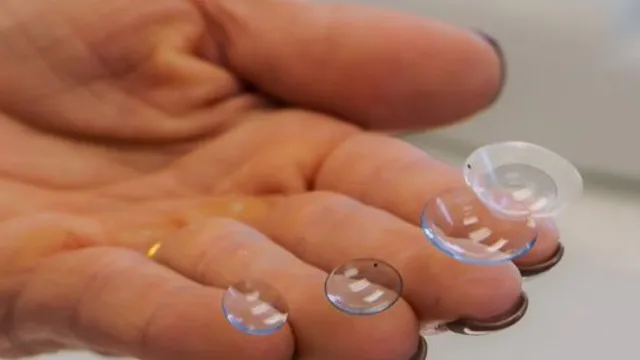
Unlike conventional contact lenses, specialty lenses are designed to create a smooth optical surface over an irregular cornea. This allows light to focus more accurately on the retina, improving visual clarity.
Patients looking for custom contact lenses Raleigh often benefit from lenses that are individually designed for the unique shape of their eyes.
Types of Specialty Lenses Used After Corneal Transplant
Scleral Lenses
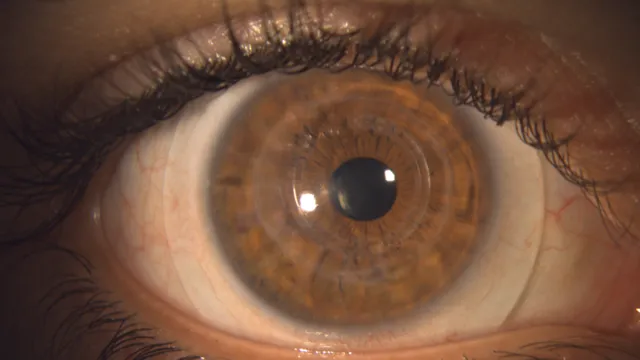
Scleral lenses vault over the cornea and rest on the sclera (the white part of the eye). The fluid-filled reservoir between the lens and the cornea helps improve comfort while creating a smooth optical surface.
These lenses are commonly recommended for patients with:
- Irregular corneas
- Corneal transplant surgery
- Keratoconus
- Severe dry eye
Gas Permeable (GP) Lenses
Rigid gas permeable lenses can provide excellent vision correction for some transplant patients with mild to moderate corneal irregularities.
Hybrid Contact Lenses
Hybrid lenses combine a rigid center with a soft outer skirt, offering the visual benefits of GP lenses with enhanced comfort for some individuals.
Your eye care specialist will recommend the most appropriate lens based on your eye health and visual needs.
The Importance of a Customized Lens Fit
Every corneal transplant heals differently, which is why a personalized fitting process is essential.
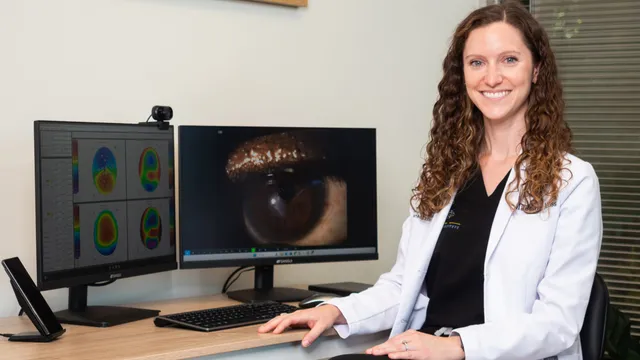
A comprehensive evaluation may include:
- Corneal topography
- Corneal tomography
- Tear film assessment
- Trial lens fitting
- Vision testing
This information helps create a lens that provides optimal vision, comfort, and long-term eye health.
Benefits of Specialty Contact Lenses After Corneal Transplant
Patients often experience several advantages, including:
- Sharper vision
- Improved comfort
- Better lens stability
- Reduced glare and halos
- Enhanced quality of life
- Customized treatment for complex eyes
Modern specialty lenses are designed to help patients achieve the best possible vision following corneal transplant surgery.
Who Is a Good Candidate?
You may benefit from specialty contact lenses if you:
- Have had a corneal transplant
- Still experience blurry vision with glasses
- Have irregular astigmatism
- Need improved visual quality
- Want a non-surgical vision correction option
Patients seeking specialty contact lenses Durham should schedule a comprehensive evaluation with a provider experienced in fitting lenses for complex corneal conditions.
Why Choose Raleigh Contact Lens Institute?
Raleigh Contact Lens Institute specializes in advanced contact lens care for patients with complex eye conditions, including those who have undergone corneal transplant surgery. Using advanced diagnostic technology and customized fitting techniques, the practice develops individualized treatment plans designed to maximize comfort and visual performance.
Patients throughout North Carolina, including those searching for custom contact lenses Raleigh, travel to the practice for specialty contact lens evaluations tailored to their unique needs.
Conclusion
A corneal transplant is an important step toward restoring eye health, but achieving the best possible vision often requires specialized contact lenses. With today’s advanced fitting technology and customized lens designs, many patients experience significant improvements in visual clarity and everyday comfort.
If you continue to struggle with blurry vision after corneal transplant surgery, a specialty contact lens evaluation may help you discover the solution that’s right for your eyes.
Frequently Asked Questions
1. Can I wear contact lenses after a corneal transplant?
Yes. Many patients wear specialty contact lenses after a corneal transplant because glasses alone may not fully correct vision caused by an irregular corneal surface. Your eye doctor will determine when your eye has healed enough for a contact lens fitting.
2. Why is my vision still blurry after a corneal transplant?
Although the transplant replaces damaged corneal tissue, the new cornea may heal with irregular astigmatism or slight surface irregularities. Specialty contact lenses can often provide sharper vision than glasses in these cases.
3. What type of contact lenses are best after a corneal transplant?
The best lens depends on your eye condition. Common options include: Your specialist will recommend the most appropriate lens after a comprehensive evaluation.
4. Why are scleral lenses commonly recommended after corneal transplant surgery?
Scleral lenses vault over the cornea and rest on the white part of the eye (sclera). They create a smooth optical surface and a fluid reservoir that can improve both vision and comfort for patients with irregular corneas.
5. Who is a candidate for specialty contact lenses after a corneal transplant?
Patients who continue to experience blurry vision, glare, halos, or irregular astigmatism after surgery may benefit from specialty contact lenses Durham or other advanced custom lens options.
6. How long after a corneal transplant can I be fitted for contact lenses?
The timeline varies for each patient. Most eye doctors wait until the cornea has healed and the prescription has stabilized before beginning the fitting process. Your surgeon or specialty contact lens provider will advise the appropriate timing.
7. Are custom contact lenses better than standard contact lenses after a corneal transplant?
In many cases, yes. Custom contact lenses Raleigh specialists fit are designed to match the unique shape of your eye, providing better vision, comfort, and stability than standard soft contact lenses.
8. How long does the specialty contact lens fitting process take?
Fitting specialty lenses may require multiple visits. The process often includes detailed corneal measurements, trial lens fittings, and follow-up appointments to optimize the fit and vision.
9. Can specialty contact lenses improve night vision after a corneal transplant?
Many patients notice improvements in glare, halos, and overall visual quality, including better night vision, after being fitted with properly designed specialty contact lenses.
10. Where can I get specialty contact lenses after a corneal transplant in North Carolina?
If you’re looking for specialty contact lenses Durham or custom contact lenses Raleigh, Raleigh Contact Lens Institute offers comprehensive evaluations and customized specialty lens fittings for patients with corneal transplants and other complex eye conditions.
Looking for Clearer, More Comfortable Vision?
Whether you suffer from keratoconus, post-surgical corneal irregularities, severe dry eye, or are seeking pediatric myopia control, our doctors have the diagnostic technology and expertise to find the right solution for your eyes.