
Wavefront-Guided Scleral Lenses: Can Ovitz Help With Ghosting, Halos, and Double Vision?
Many patients with complex vision conditions achieve better clarity with scleral lenses but still experience issues like ghosting, halos, glare, or double vision. These visual problems can occur because of higher-order aberrations (HOAs), which are small imperfections in the way light travels through the eye.
Traditional specialty lenses can improve many corneal irregularities, but some patients may need a more advanced approach. Wavefront-guided technology, including Ovitz solutions, is designed to measure and address these unique visual distortions.
Patients searching for scleral lenses Raleigh often want solutions that go beyond basic vision correction and focus on improving real-world visual quality.
What Are Wavefront-Guided Scleral Lenses?
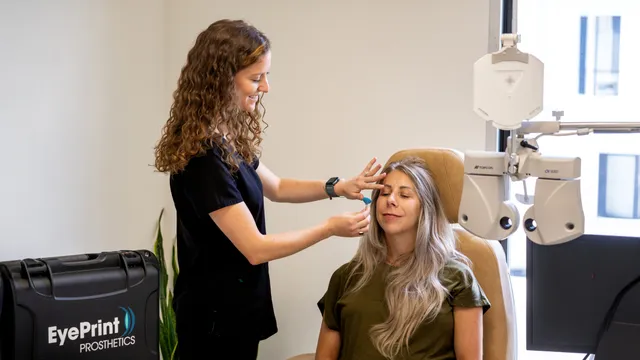
Wavefront-guided scleral lenses use advanced measurements to identify optical imperfections that may not be detected during a standard eye exam.
Instead of only correcting traditional prescription errors like nearsightedness or astigmatism, this technology focuses on higher-order aberrations that can contribute to:
- Ghost images
- Halos around lights
- Glare
- Starbursts
- Double vision
- Reduced night vision
Ovitz technology uses advanced wavefront measurements to analyze these visual distortions and create customized lens designs aimed at improving clarity.
Why Do Patients Still Experience Ghosting With Scleral Lenses?
Scleral lenses are highly effective for many irregular cornea conditions, but some patients may continue experiencing visual symptoms.
Common reasons include:
1. Higher-Order Aberrations
HOAs occur when light does not focus perfectly on the retina. These small optical imperfections can create blurry edges, shadows, or multiple images.
2. Irregular Corneal Shape
Conditions such as keratoconus, corneal scarring, or previous eye procedures can create complex optical challenges.
3. Residual Vision Distortions
Even when a scleral lens provides a smooth optical surface, some internal eye aberrations may remain.
How Ovitz Technology Works
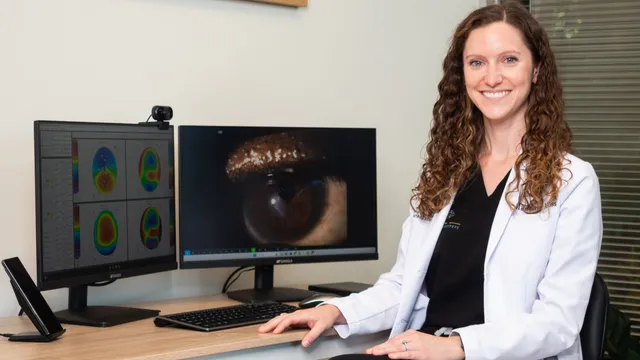
Ovitz xwave technology uses wavefront-guided measurements to map the eye’s optical system. The data helps design customized optics that can be integrated into specialty lenses.
The process generally includes:
1. Advanced Measurement
The eye is measured to identify specific optical distortions.
2. Aberration Analysis
The collected information helps identify higher-order aberrations affecting vision.
3. Customized Lens Design
The lens is designed based on the patient’s unique visual profile.
4. Specialty Lens Fitting
The customized design is combined with a scleral lens platform for improved visual performance.
Can Ovitz Help With Ghosting and Halos?
For some patients, wavefront-guided scleral lenses may help reduce symptoms caused by higher-order aberrations.
Patients who experience:
- Ghost images while reading
- Halos around headlights
- Glare at night
- Double vision despite wearing specialty lenses
may benefit from advanced evaluation.
Patients looking for Ovitz technology Raleigh solutions often seek this option when traditional correction has not provided the level of clarity they need.
Who May Benefit From Wavefront-Guided Scleral Lenses?
These lenses may be considered for patients with:
- Keratoconus
- Irregular corneas
- Corneal scarring
- Post-LASIK visual issues
- Persistent ghosting or glare
- Reduced visual quality despite good prescription correction
A specialty lens evaluation can determine whether wavefront-guided technology is appropriate.
Why Experience Matters With Advanced Lens Technology
Advanced lens technology requires detailed fitting, accurate measurements, and ongoing adjustments. The success of a customized scleral lens depends not only on the technology but also on proper evaluation and fitting.
Patients traveling for scleral lenses Durham or nearby areas often look for specialists experienced with advanced customization options.
Wavefront-Guided Lenses vs Traditional Scleral Lenses
Traditional scleral lenses are excellent for many patients because they create a smooth optical surface over irregular corneas.
Wavefront-guided scleral lenses take customization further by addressing additional optical imperfections that may affect visual quality.
The right option depends on your eye condition, symptoms, and visual goals.
Conclusion
For patients who continue experiencing ghosting, halos, glare, or double vision after specialty lens fitting, wavefront-guided scleral lens technology may provide another option.
Advanced solutions like Ovitz technology combine detailed measurements with customized lens design to address complex visual challenges. Patients considering scleral lenses Raleigh should consult a specialty contact lens provider to determine whether this technology fits their needs.
Frequently Asked Questions
1. What are wavefront-guided scleral lenses?
Wavefront-guided scleral lenses are customized lenses designed using advanced measurements to address higher-order aberrations that can affect visual clarity.
2. Can Ovitz technology reduce ghosting and halos?
Ovitz technology may help some patients by identifying and correcting specific optical distortions responsible for symptoms like ghosting, halos, and glare.
3. Who is a good candidate for Ovitz scleral lenses?
Patients with keratoconus, irregular corneas, corneal scarring, or persistent visual problems despite wearing specialty lenses may be candidates.
4. Why do I still have blurry vision with scleral lenses?
Some patients continue to experience symptoms because of higher-order aberrations that are not fully corrected with standard lens designs.
5. Are wavefront-guided lenses better than regular scleral lenses?
They may provide additional customization for certain patients, but the best option depends on your eye condition and visual needs.
6. How does Ovitz measure vision problems?
Ovitz uses wavefront-based measurements to analyze optical imperfections and help create customized lens designs.
7. Can these lenses help with night driving problems?
Some patients with glare, halos, and reduced night vision may benefit from advanced lens evaluation.
8. Are Ovitz lenses available in Raleigh?
Patients interested in Ovitz technology Raleigh solutions can consult a specialty contact lens provider offering advanced lens technology options.
9. How long does it take to adjust to wavefront-guided lenses?
Adjustment time varies depending on the patient and lens design. Follow-up visits may be needed for optimization.
10. Where can I get specialty scleral lens evaluation?
Patients looking for scleral lenses Durham or Raleigh-area specialty care should schedule an evaluation with an experienced contact lens specialist.
Looking for Clearer, More Comfortable Vision?
Whether you suffer from keratoconus, post-surgical corneal irregularities, severe dry eye, or are seeking pediatric myopia control, our doctors have the diagnostic technology and expertise to find the right solution for your eyes.