What Is the Best Age to Start Myopia Control for Children?
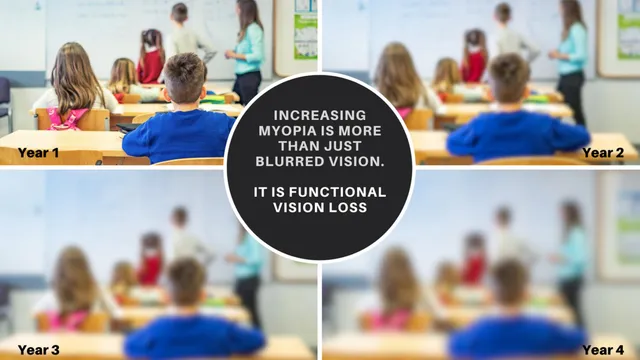
Myopia, commonly known as nearsightedness, is becoming increasingly common in children. Many parents are surprised to learn that myopia is not just a prescription issue — it is a progressive eye condition that can worsen year after year if left unmanaged.
Understanding when to begin myopia control is one of the most important steps parents can take to protect their child’s long-term eye health.
Why Early Myopia Management Matters
Myopia typically begins in early childhood and often progresses rapidly during the school years. As the eye grows longer, vision worsens and the risk of future eye complications increases.
Higher levels of myopia are associated with a greater lifetime risk of retinal detachment, glaucoma, and myopic macular degeneration. Early intervention focuses on slowing progression, not just correcting vision.
What Is the Ideal Age to Start Myopia Control?
Most children benefit from myopia control when treatment begins between ages 6 and 10. This is the period when myopia commonly appears and progresses the fastest.
Starting treatment early allows eye care professionals to influence eye growth before significant worsening occurs. However, older children and even teenagers may still benefit depending on progression rate and eye health.
Signs Your Child May Need Myopia Control
Parents should consider an evaluation if their child:
- Squints or sits very close to screens
- Complains of blurry distance vision
- Shows frequent prescription changes
- Has one or both parents with myopia
- Experiences eye strain or headaches
Early detection makes treatment significantly more effective.
Myopia Control Options for Children
Several clinically proven strategies are used to slow myopia progression, including:
- Specialized soft contact lenses
- Orthokeratology (overnight reshaping lenses)
- Atropine eye drops (in select cases)
- Lifestyle guidance to reduce near-work strain
Families exploring myopia control for kids raleigh often benefit from a customized approach based on the child’s age, prescription, and visual habits.
Is Myopia Control Safe for Young Children?
Yes. When properly prescribed and monitored, myopia control treatments are safe and well-tolerated. Studies show that children adapt quickly, especially when treatment begins early and is introduced gradually.
Regular follow-ups ensure eye health, proper fit, and continued effectiveness.
Final Thoughts
The best age to start myopia control is as soon as progression is identified — often in early elementary school. Waiting until prescriptions become high can limit how effective treatment will be.
A proactive approach helps protect not only your child’s vision today but also their eye health for decades to come.
Frequently Asked Questions
At what age can myopia control start for children?
Myopia control can often begin as early as age 6, especially if a child shows early signs of nearsightedness or rapid prescription changes. Early intervention is usually more effective.
Is myopia control necessary if my child’s prescription is mild?
Yes. Even mild myopia can progress quickly during childhood. Myopia control focuses on slowing progression, not just correcting vision.
Can teenagers still benefit from myopia control?
Yes. While earlier treatment is ideal, many teenagers still benefit, particularly if their prescription continues to increase each year.
Are myopia control treatments safe for children?
Yes. When prescribed and monitored by an eye care professional, myopia control treatments are safe and widely supported by clinical research.
Does increased screen time make myopia worse?
Excessive near work and limited outdoor time have been linked to faster myopia progression. Balanced visual habits are an important part of myopia management.
Will my child still need glasses or contacts with myopia control?
Yes. Myopia control manages progression but does not eliminate the need for vision correction. However, it can reduce how strong future prescriptions become.
Looking for Clearer, More Comfortable Vision?
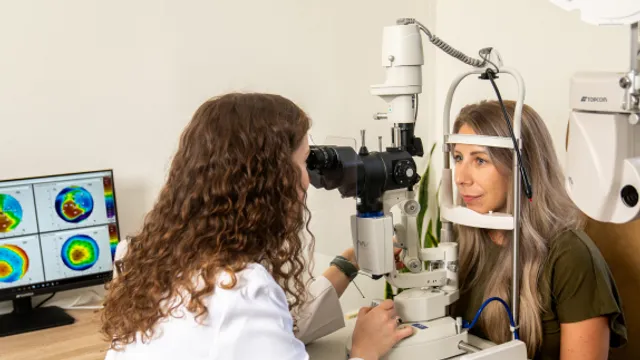
Whether you suffer from keratoconus, post-surgical corneal irregularities, severe dry eye, or are seeking pediatric myopia control, our doctors have the diagnostic technology and expertise to find the right solution for your eyes.