Where to Get Specialty Contact Lenses After LASIK in Raleigh
LASIK surgery has helped millions reduce their dependence on glasses and contact lenses. However, some patients continue to experience visual challenges even after a technically successful procedure. Blurry vision, glare at night, fluctuating focus, and dryness are common concerns that can persist months or even years after surgery.
When standard glasses or soft contacts don’t solve these issues, specialty contact lenses may offer an effective, non-surgical solution.
Why Vision Problems Can Persist After LASIK
Post-LASIK symptoms often occur due to subtle corneal irregularities created during healing. These changes may lead to higher-order aberrations that affect visual quality rather than basic sharpness.
Common post-LASIK complaints include:
- Halos and glare around lights
- Ghosted or double vision
- Fluctuating clarity throughout the day
- Increased dryness and irritation
These issues usually cannot be fully corrected with glasses alone.
How Specialty Contact Lenses Help After LASIK
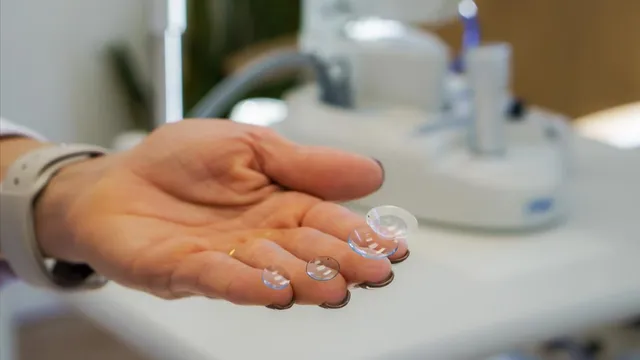
Specialty contact lenses are custom-designed to neutralize corneal surface irregularities. Instead of resting directly on the cornea like traditional lenses, many specialty designs create a smooth optical surface that improves clarity and stability.
For patients who also struggle with post-LASIK dryness, specialty lenses are often recommended as part of a broader care plan that may include severe dry eye treatment Raleigh options to restore comfort and ocular surface health.
Types of Specialty Lenses Used After LASIK
Depending on your eye structure and symptoms, your specialist may recommend:
- Custom soft lenses for mild irregularities
- Gas permeable lenses for improved optical precision
- Scleral lenses that vault over the cornea and maintain a protective fluid layer
The goal is to improve both visual quality and long-term comfort.
Why a Specialty Lens Center Matters
Not all eye care clinics provide post-LASIK specialty lens services. Successful outcomes require advanced diagnostics such as:
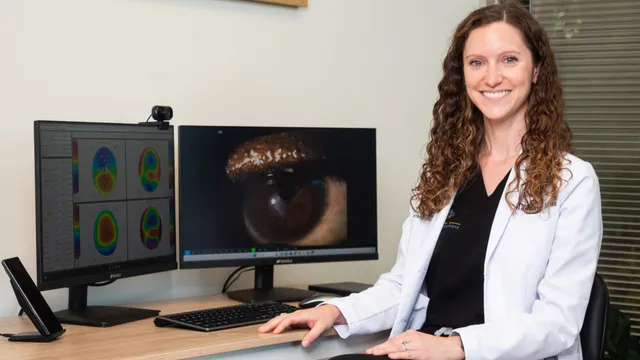
- Corneal topography and tomography
- Wavefront analysis
- Anterior segment imaging
These tools allow for precise customization and help identify the exact cause of ongoing visual disturbances.
Who Should Consider Specialty Lenses After LASIK?
You may benefit from a specialty lens evaluation if you:
- Still experience glare or halos months after LASIK
- Have fluctuating or unstable vision
- Cannot tolerate regular contact lenses
- Experience persistent dryness or irritation
- Were told nothing more could be done
Many patients are surprised to learn that meaningful improvement is possible without additional surgery.
Final Thoughts
If LASIK didn’t deliver the visual comfort you expected, specialty contact lenses may provide the clarity and stability you’re missing. With advanced fitting technology and customized lens designs, post-LASIK vision challenges can often be successfully managed.
Choosing a clinic experienced in post-surgical care is the key to achieving the best results.
Frequently Asked Questions
Why do some people still need contact lenses after LASIK?
LASIK corrects basic vision issues, but healing patterns and corneal changes can cause visual distortions. Specialty contact lenses help correct these irregularities and improve visual quality.
How long after LASIK can I be fitted for specialty contact lenses?
Most patients can be evaluated once the eyes have stabilized, typically several months after surgery. In some cases, evaluations may occur sooner depending on symptoms.
Can specialty lenses help with dryness after LASIK?
Yes. Certain specialty lenses create a protective layer over the cornea, which can improve comfort for patients experiencing post-LASIK dryness.
Are specialty contact lenses comfortable to wear?
When properly fitted, specialty lenses are very comfortable. Many patients who struggled with standard contacts find these custom designs easier to wear throughout the day.
Do I need another surgery if I have glare or halos after LASIK?
Often, no. Specialty contact lenses provide a non-surgical option and are commonly recommended before considering any additional procedures.
Is a regular eye exam enough for post-LASIK lens fitting?
No. Post-LASIK lens fitting requires advanced imaging and a specialty evaluation to ensure accurate customization and optimal results.
Looking for Clearer, More Comfortable Vision?
Whether you suffer from keratoconus, post-surgical corneal irregularities, severe dry eye, or are seeking pediatric myopia control, our doctors have the diagnostic technology and expertise to find the right solution for your eyes.