

Can I Wear Contacts If I Have Really Bad Dry Eye?
Severe dry eye can make everyday activities uncomfortable — and wearing contact lenses may seem impossible. Burning, redness, blurry vision, and irritation often worsen as the day goes on, leading many people to believe they must permanently switch back to glasses.
The good news is that having really bad dry eye does not automatically mean you can’t wear contact lenses. With modern lens technology, specialized evaluations, and proper fitting, many patients successfully return to comfortable contact lens wear.
- Why Severe Dry Eye Makes Contacts Difficult
Dry eye occurs when the tear film cannot adequately protect and lubricate the eye. When contacts are placed on an already unstable tear layer, symptoms can worsen due to:
- Rapid tear evaporation
- Poor tear quality
- Reduced oxygen delivery
- Increased friction between the lens and cornea
This often leads to discomfort, fluctuating vision, and intolerance to standard lenses.

- Can People With Really Bad Dry Eye Wear Contacts?
Yes — but not all contact lenses are appropriate.
Traditional soft lenses may worsen dryness, especially when worn for long hours. However, certain lens designs are specifically created to reduce friction, improve oxygen flow, and maintain hydration. These advanced options are commonly recommended for patients searching for dry eye contacts that provide real comfort instead of irritation.

- Contact Lens Options That May Work for Severe Dry Eye
These combine:
- Rigid center – sharp optics
- Soft skirt – comfort
Ideal for those who cannot tolerate corneal gas-permeable lenses.
- 1. Daily Disposable Lenses
For mild to moderate dryness, daily disposable lenses may help by providing a fresh, deposit-free surface each day. This reduces irritation caused by protein buildup and environmental allergens.
- 2. Piggyback Lens Systems
These lenses allow higher oxygen transmission, which helps keep the cornea healthier and reduces inflammation associated with dryness.
- 3. Scleral Lenses for Severe Dry Eye
For patients with advanced or chronic dry eye, scleral lenses are often the most effective option. Unlike traditional lenses, they vault over the cornea and create a fluid reservoir that keeps the eye continuously hydrated throughout the day.
Scleral lenses are frequently recommended for patients who were previously unable to tolerate contact lenses at all.
- Advanced Evaluation Is Essential
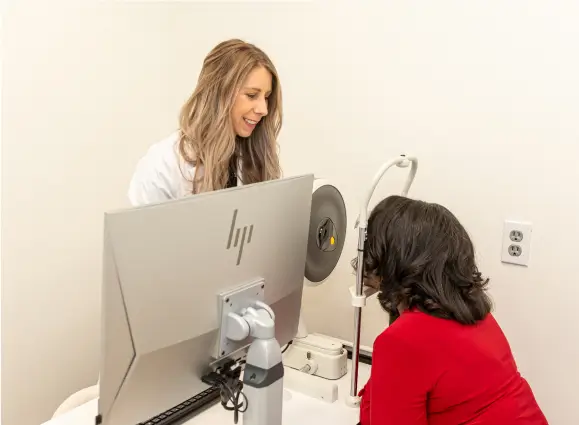
Successful contact lens wear with severe dry eye requires more than just trying a new brand. A comprehensive evaluation may include:
- Corneal topography to assess surface irregularities
- Tear film analysis to measure evaporation and stability
- Anterior segment imaging to determine proper lens vault and clearance
This allows your specialist to select the safest and most comfortable lens option for your specific condition.
- Who Should Avoid Contacts Temporarily?
You may need to pause contact lens wear if you experience:
- Active inflammation or infection
- Severe redness or pain
- Sudden vision changes
In these cases, dry eye treatment should be stabilized first before considering lenses again.
- Final Thoughts
Having really bad dry eye does not automatically disqualify you from wearing contact lenses. With modern designs, specialty fittings, and proper tear management, many patients who once gave up on contacts can wear them comfortably again.
The key is choosing the right lens type, not forcing traditional lenses to work when they aren’t designed for severe dryness.

- Frequently Asked Questions
Can I wear contact lenses if my dry eye is severe?
Why do regular contact lenses feel worse with dry eye?
Standard soft lenses rely on a stable tear film. When tear quality is poor, the lens surface dries out quickly, causing friction, irritation, and blurred vision.