
Where to Get Specialty Contact Lenses After LASIK in Raleigh
Contact lenses are designed to sit securely on the eye, providing stable vision and comfort throughout the day. When contacts start slipping, shifting, or even falling out, it can be frustrating and disruptive — especially during blinking, sports, or long hours of wear.
Loose or unstable contacts are not normal and usually indicate an underlying fit or eye surface issue.
- Improper Lens Fit Is the Most Common Cause
Every eye has a unique shape, and contact lenses must match the curvature and diameter of the cornea precisely. If the lens is too flat, too large, or not aligned correctly, it may move excessively or fail to stay centered.
Even small changes in eye shape over time can affect how a lens fits, making regular evaluations essential.
- Changes in the Eye’s Surface
The cornea can change due to:
- Dry eye disease
- Allergies or inflammation
- Post-surgical healing (LASIK or cataract surgery)
- Corneal conditions like keratoconus
These changes can prevent a lens from maintaining proper alignment, causing instability and discomfort.

- Tear Film and Dryness Issues
A healthy tear film helps hold contact lenses in place. When tears evaporate too quickly or lack proper quality, lenses may feel dry, shift excessively, or lose suction.
Patients dealing with dryness often report loose contact lenses, especially later in the day when tear stability decreases.
- Lens Type and Material Matters
Not all contact lenses behave the same way. Soft lenses, rigid lenses, and specialty lenses interact differently with the eye. A lens material that worked well years ago may no longer provide adequate stability or comfort.
Switching to a different design or material can often resolve persistent movement issues.
- When Specialty Contact Lenses Are Needed
For patients with irregular corneas, dryness, or post-surgical changes, standard lenses may no longer be sufficient. Specialty contact lenses are custom-designed to improve stability, comfort, and visual clarity.
Advanced fitting techniques help ensure the lens stays centered and secure throughout the day.
- Why a Professional Evaluation Is Important
Contacts that repeatedly fall out are not just inconvenient — they can increase the risk of irritation, infection, and blurred vision. A comprehensive contact lens evaluation may include:
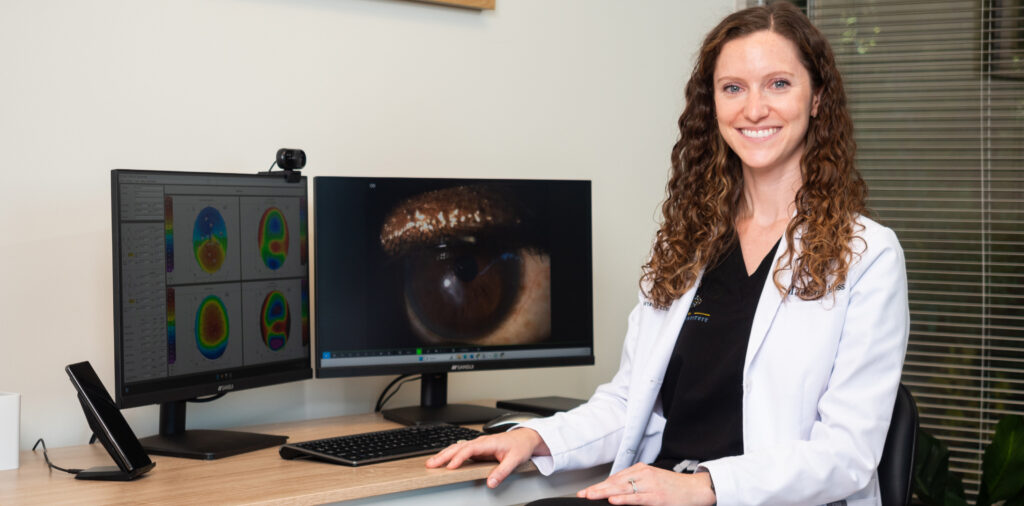
- Corneal topography
- Tear film assessment
- Lens movement and alignment analysis
This approach allows the root cause to be corrected rather than masked.
- Final Thoughts
Contact lenses should feel stable, comfortable, and reliable. If your lenses keep falling out or feeling loose, it’s a sign that something isn’t right with the fit or the eye surface.
With proper evaluation and customized lens solutions, most patients can return to secure, comfortable contact lens wear.


- Frequently Asked Questions