
Pellucid Marginal Degeneration vs Keratoconus: What Patients Should Know
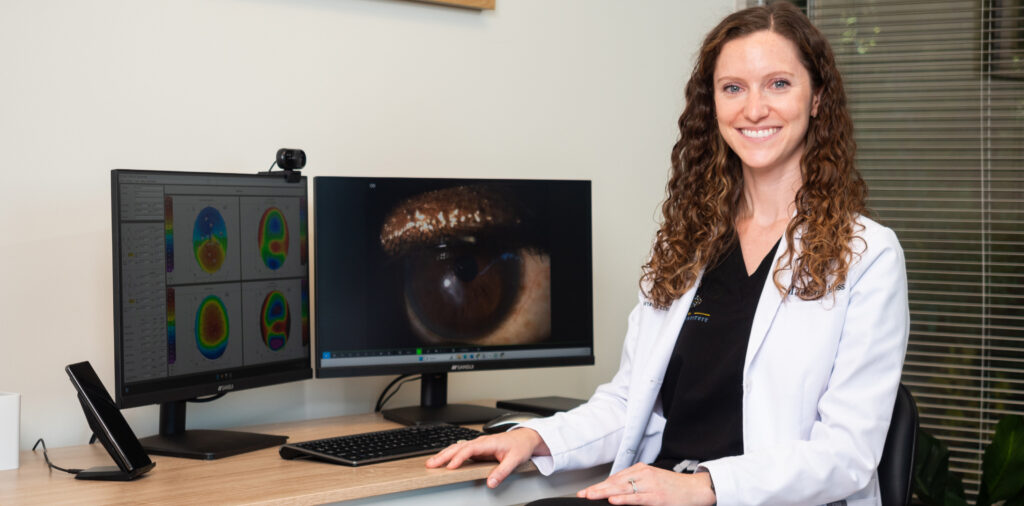
Pellucid Marginal Degeneration (PMD) and keratoconus are two progressive corneal disorders that can significantly affect vision. Because they share similar symptoms—such as blurred vision, increasing astigmatism, and difficulty seeing clearly—many patients assume they are the same condition. However, PMD and keratoconus have important differences in how they affect the cornea and how they are managed.
An accurate diagnosis is essential because treatment recommendations often depend on the specific corneal condition. Patients looking for a keratoconus specialist Raleigh should seek a provider experienced in diagnosing and managing both disorders using advanced corneal imaging and specialty contact lens technology.
- What Is Keratoconus?
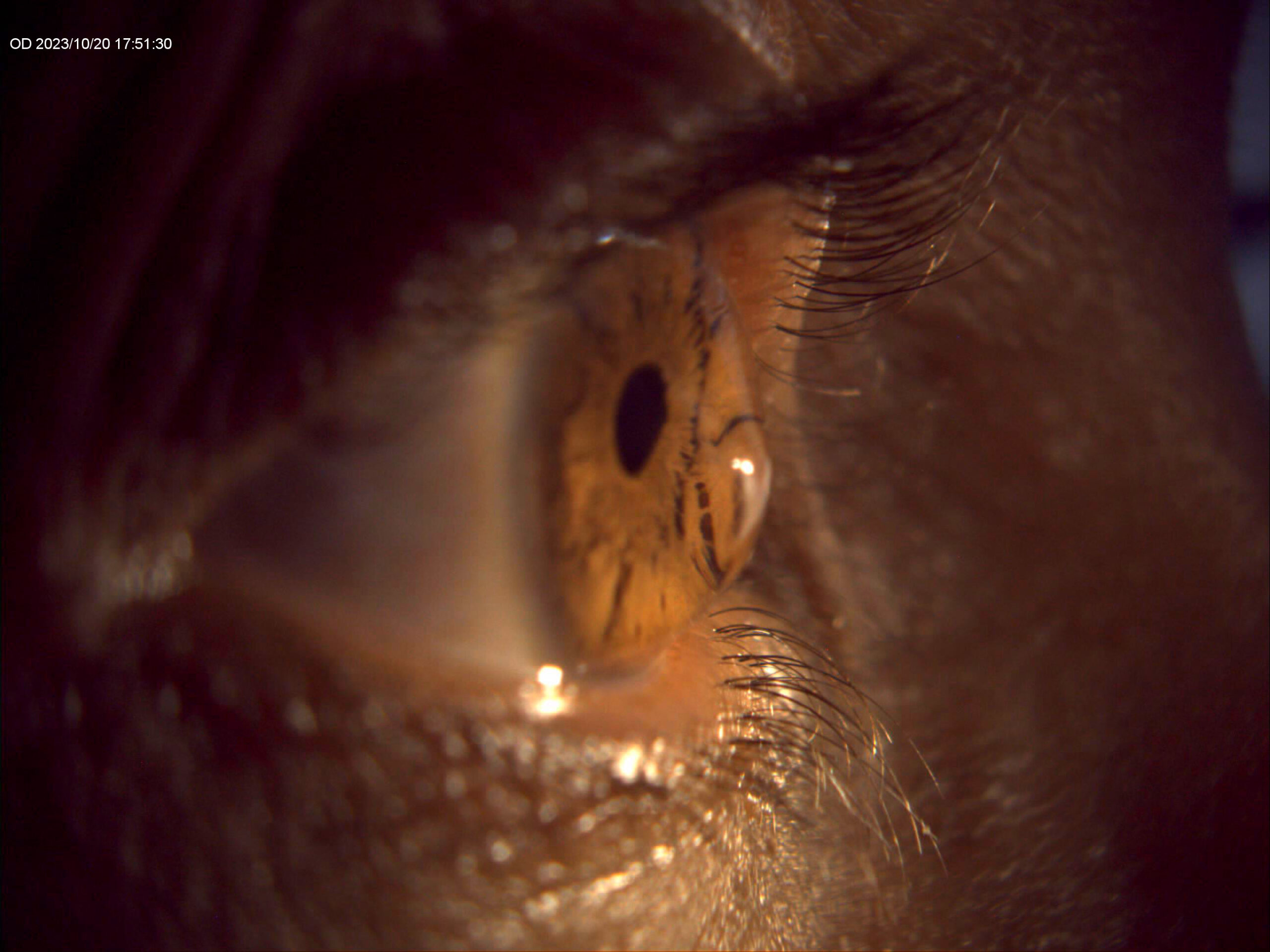
Keratoconus is a condition in which the cornea gradually becomes thinner and bulges outward into a cone-like shape. This irregular shape prevents light from focusing properly on the retina, resulting in distorted vision.
Common symptoms include:
- Blurry vision
- Frequent prescription changes
- Increased light sensitivity
- Halos around lights
- Ghost images
- Difficulty with night driving
Keratoconus often begins during the teenage years or early adulthood and may progress over time.
- What Is Pellucid Marginal Degeneration (PMD)?
Pellucid Marginal Degeneration is another form of corneal ectasia, but it affects the lower portion of the cornea rather than the center.
In PMD:
- Thinning usually occurs near the bottom edge of the cornea.
- The cornea develops a distinctive shape that creates significant irregular astigmatism.
- Patients often experience progressive visual distortion despite updated glasses.
Although PMD is less common than keratoconus, it can cause similar visual challenges and often requires specialized treatment.
- How Are These Conditions Diagnosed?
A comprehensive eye examination may include:
Corneal Topography
Creates a color-coded map showing the curvature of the cornea.
Corneal Tomography
Provides a three-dimensional image that helps detect thinning and structural changes.
Pachymetry
Measures corneal thickness to identify areas of thinning.
These advanced diagnostic tools help specialists determine whether a patient has keratoconus, PMD, or another corneal disorder.
- Treatment Options
Specialty Contact Lenses
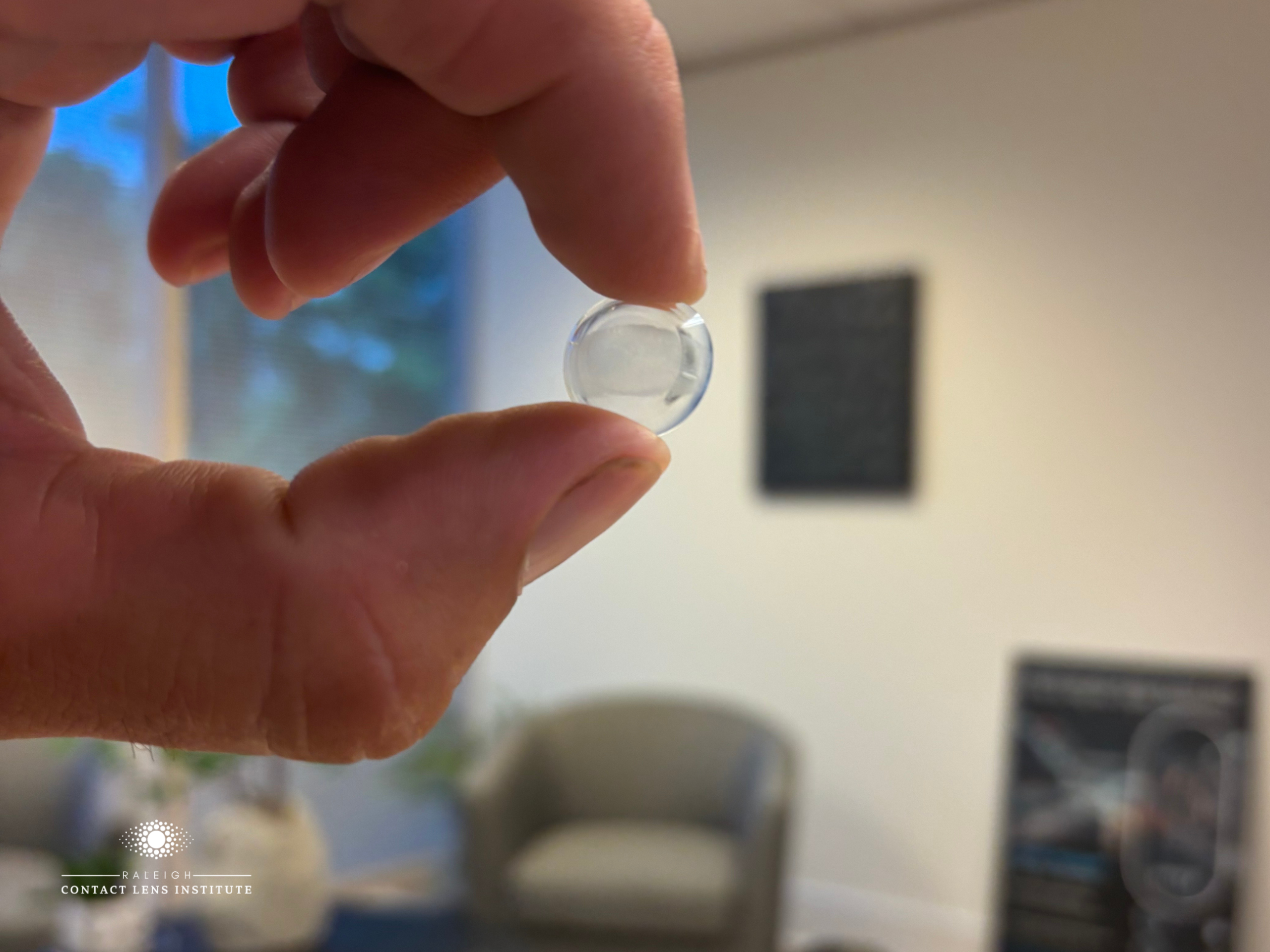
Many patients achieve excellent vision with specialty contact lenses designed for irregular corneas.
Common options include:
- Scleral lenses
- Custom scleral lenses
- Gas permeable (GP) lenses
- Hybrid contact lenses
Patients searching for medically necessary contact lenses Raleigh often qualify for specialty lenses when traditional glasses or soft contact lenses cannot provide functional vision due to conditions like keratoconus or PMD.
Corneal Cross-Linking
For patients with progressive keratoconus, corneal cross-linking may help strengthen the cornea and slow further progression.
Not every PMD patient is a candidate for cross-linking, so treatment recommendations are individualized.
Regular Monitoring
Routine follow-up appointments allow specialists to monitor changes in corneal shape and adjust treatment as needed.
- Why Early Diagnosis Matters
Both keratoconus and PMD can progress over time. Early diagnosis offers several advantages:
- Better long-term vision preservation
- Earlier treatment options
- Improved specialty lens fitting
- Ongoing monitoring of corneal health
The sooner an irregular corneal condition is identified, the greater the opportunity to maintain stable vision.
- Why Choose Raleigh Contact Lens Institute?
Raleigh Contact Lens Institute specializes in diagnosing and treating complex corneal conditions, including keratoconus and Pellucid Marginal Degeneration. The practice uses advanced diagnostic technology and customized specialty contact lens fitting to help patients achieve clearer, more comfortable vision.
Patients seeking a keratoconus specialist Raleigh benefit from comprehensive evaluations and personalized treatment plans designed around their unique eye health needs.

- Conclusion
Although Pellucid Marginal Degeneration and keratoconus share many symptoms, they are distinct conditions that require accurate diagnosis and individualized treatment. Advanced imaging and specialty contact lenses play an important role in improving vision and managing both disorders.
If you have been told you have an irregular cornea or continue to experience blurry vision despite updated glasses, scheduling an evaluation with a specialist can help determine the most appropriate treatment options.

- Frequently Asked Questions
1. What is the difference between Pellucid Marginal Degeneration and keratoconus?
Both conditions affect the cornea, but keratoconus usually causes thinning in the central or lower-central cornea, while Pellucid Marginal Degeneration (PMD) typically causes thinning along the lower peripheral edge of the cornea. This difference changes the corneal shape and influences treatment decisions.
2. Can PMD be mistaken for keratoconus?
Yes. Because both conditions can cause blurry vision, irregular astigmatism, glare, and frequent prescription changes, advanced corneal imaging is often needed to make an accurate diagnosis.
3. What symptoms are common with PMD and keratoconus?
Common symptoms include:
- Blurred or distorted vision
- Increasing astigmatism
- Glare and halos
- Poor night vision
- Frequent prescription changes
- Difficulty seeing clearly with glasses
4. How are these conditions diagnosed?
Eye doctors typically use corneal topography, corneal tomography, pachymetry, and a comprehensive eye examination to evaluate the shape and thickness of the cornea.
5. Can specialty contact lenses improve vision for PMD and keratoconus?
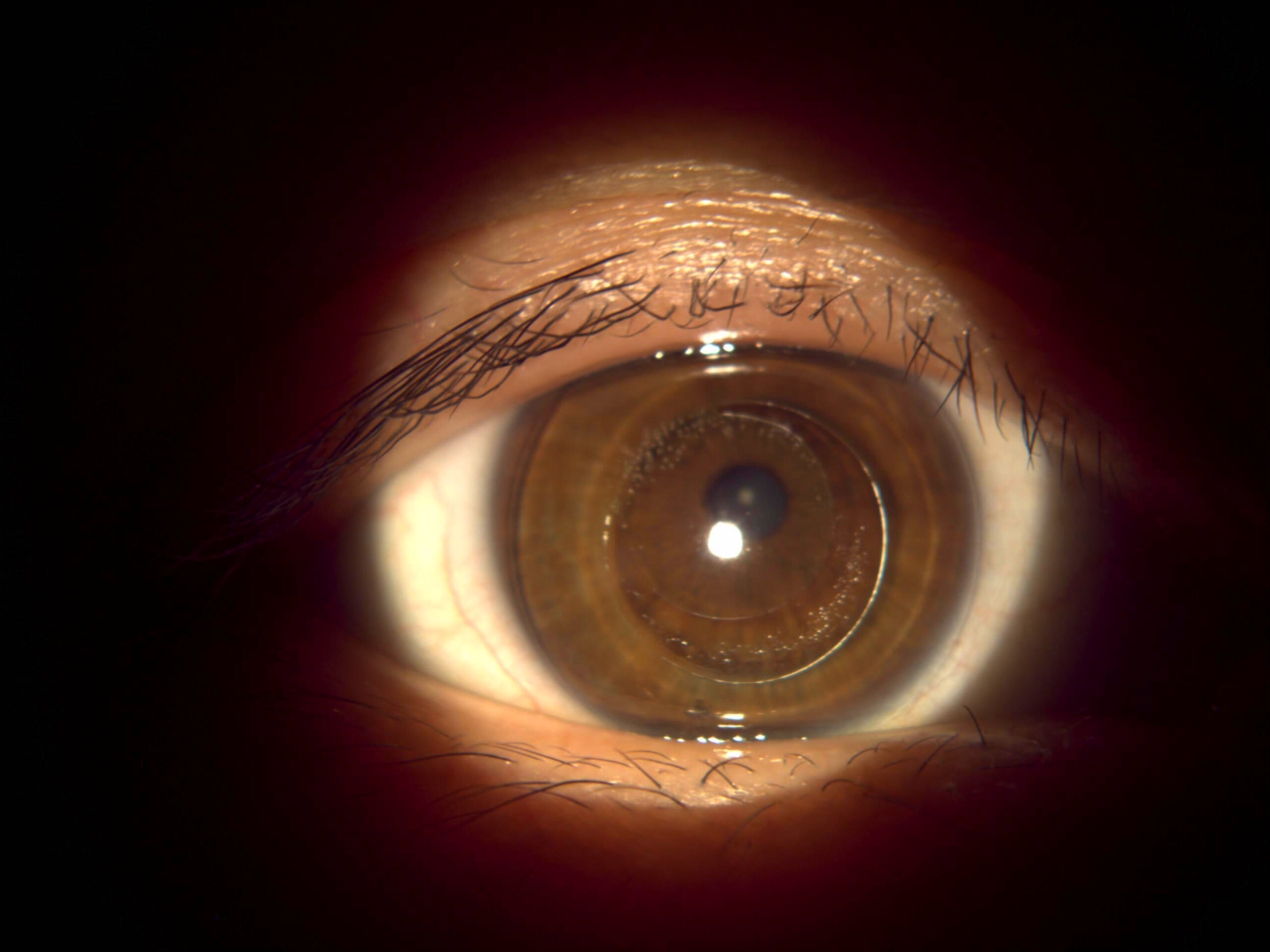
Yes. Scleral lenses, hybrid lenses, and gas permeable lenses are commonly used to improve vision by creating a smooth optical surface over the irregular cornea.
6. What are medically necessary contact lenses?
Medically necessary contact lenses Raleigh providers prescribe are specialty lenses used to treat eye conditions such as keratoconus, PMD, corneal transplants, and severe corneal irregularities when glasses cannot provide adequate vision.
7. Does everyone with keratoconus need corneal cross-linking?
Not always. Cross-linking is generally recommended for patients with documented progression. Your eye care specialist will determine whether it is appropriate based on your corneal measurements and overall eye health.
8. Is Pellucid Marginal Degeneration progressive?
Yes. PMD can gradually progress over time, making regular eye examinations and monitoring important for preserving vision and determining when treatment changes are needed.
9. When should I see a keratoconus specialist?
If your vision continues to worsen despite new glasses, or if you have been diagnosed with keratoconus or PMD, scheduling an evaluation with a keratoconus specialist Raleigh can help you receive an accurate diagnosis and personalized treatment plan.
10. Where can I receive specialty contact lens care for keratoconus or PMD in Raleigh?
Raleigh Contact Lens Institute provides advanced evaluations and customized specialty contact lens fittings for patients with keratoconus, Pellucid Marginal Degeneration, and other complex corneal conditions.