
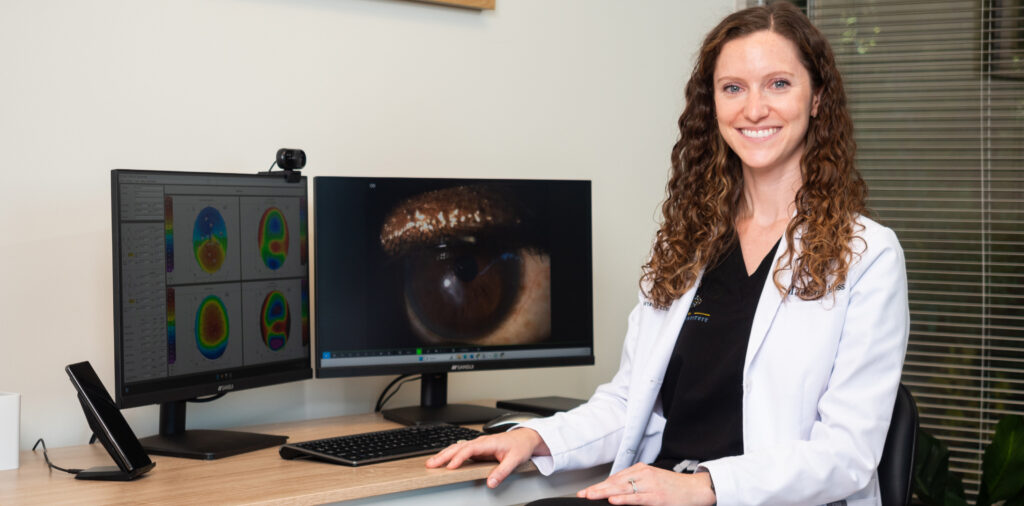
Why Your Vision Is Still Blurry With Glasses: Understanding Irregular Corneas
If your vision remains blurry even after updating your glasses prescription, you may be dealing with more than a simple refractive error. While glasses effectively correct nearsightedness, farsightedness, and regular astigmatism, they cannot always compensate for an irregularly shaped cornea.
Irregular corneas can scatter light as it enters the eye, causing blurred vision, ghosting, glare, halos, and difficulty seeing clearly—especially at night. Fortunately, advanced specialty contact lenses can often provide significantly better vision than glasses for these complex conditions.
Patients searching for custom contact lenses Raleigh often do so because they have tried multiple pairs of glasses without achieving the clear vision they expect.
- What Is an Irregular Cornea?
A healthy cornea has a smooth, dome-like shape that allows light to focus properly on the retina. An irregular cornea has uneven curves or surface changes that distort incoming light.
Common causes include:
- Keratoconus
- Corneal scarring
- Previous LASIK or RK surgery
- Corneal transplant surgery
- Eye injuries
- Corneal degeneration
Because these conditions change the shape of the cornea, glasses may not fully correct the resulting vision problems.
- Why Glasses May Not Solve the Problem
Glasses work well when the eye has a regular optical surface. However, with an irregular cornea, light is bent unevenly before it reaches the retina.
As a result, patients may experience:
- Persistent blurry vision
- Ghost images
- Double vision
- Halos around lights
- Glare while driving at night
- Difficulty reading fine print
- Frequent prescription changes
If these symptoms continue despite new glasses, it’s important to schedule a comprehensive eye evaluation.
- How Are Irregular Corneas Diagnosed?
An eye care specialist uses advanced diagnostic technology to evaluate the shape and health of the cornea.
Testing may include:
Corneal Topography
Creates a detailed map of the corneal surface.
Corneal Tomography
Provides a three-dimensional view of the cornea, helping detect subtle irregularities.
Comprehensive Eye Examination
Measures vision, evaluates eye health, and determines whether specialty contact lenses may improve visual quality.
These advanced evaluations help identify the underlying cause of blurry vision and guide treatment recommendations.
- How Specialty Contact Lenses Improve Vision
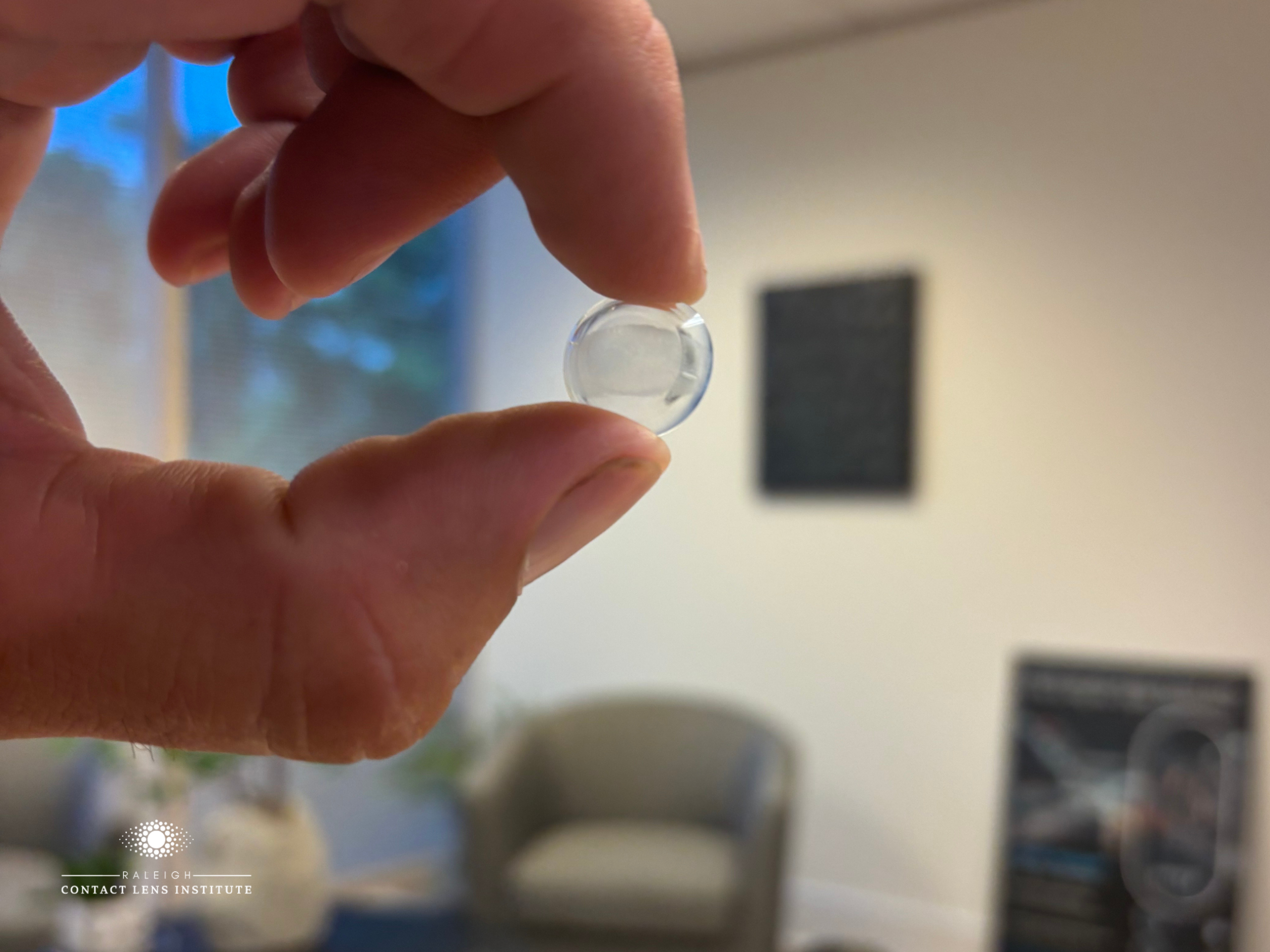
Unlike glasses, specialty contact lenses create a new, smooth optical surface over the irregular cornea.
Common options include:
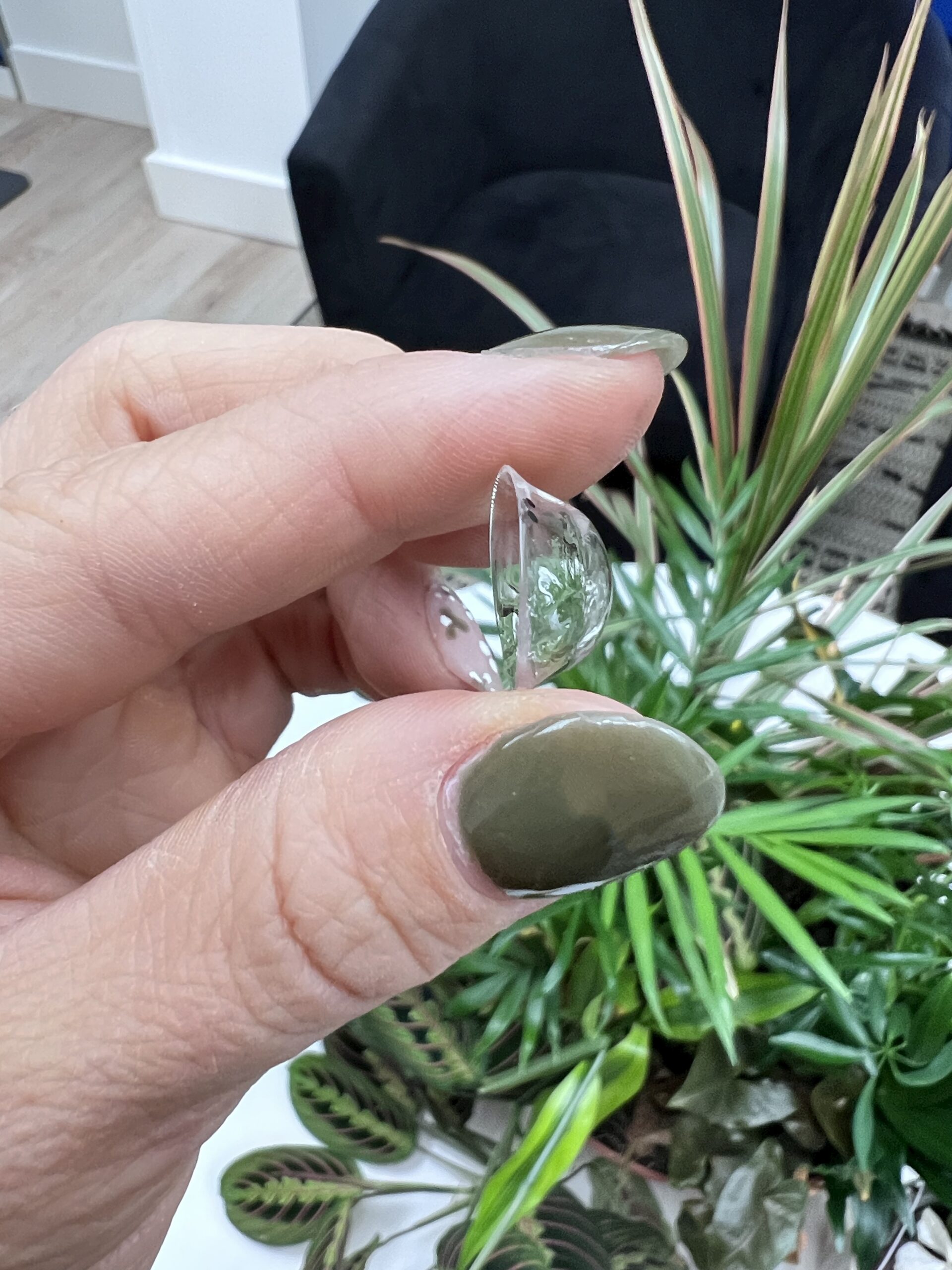
Scleral Lenses
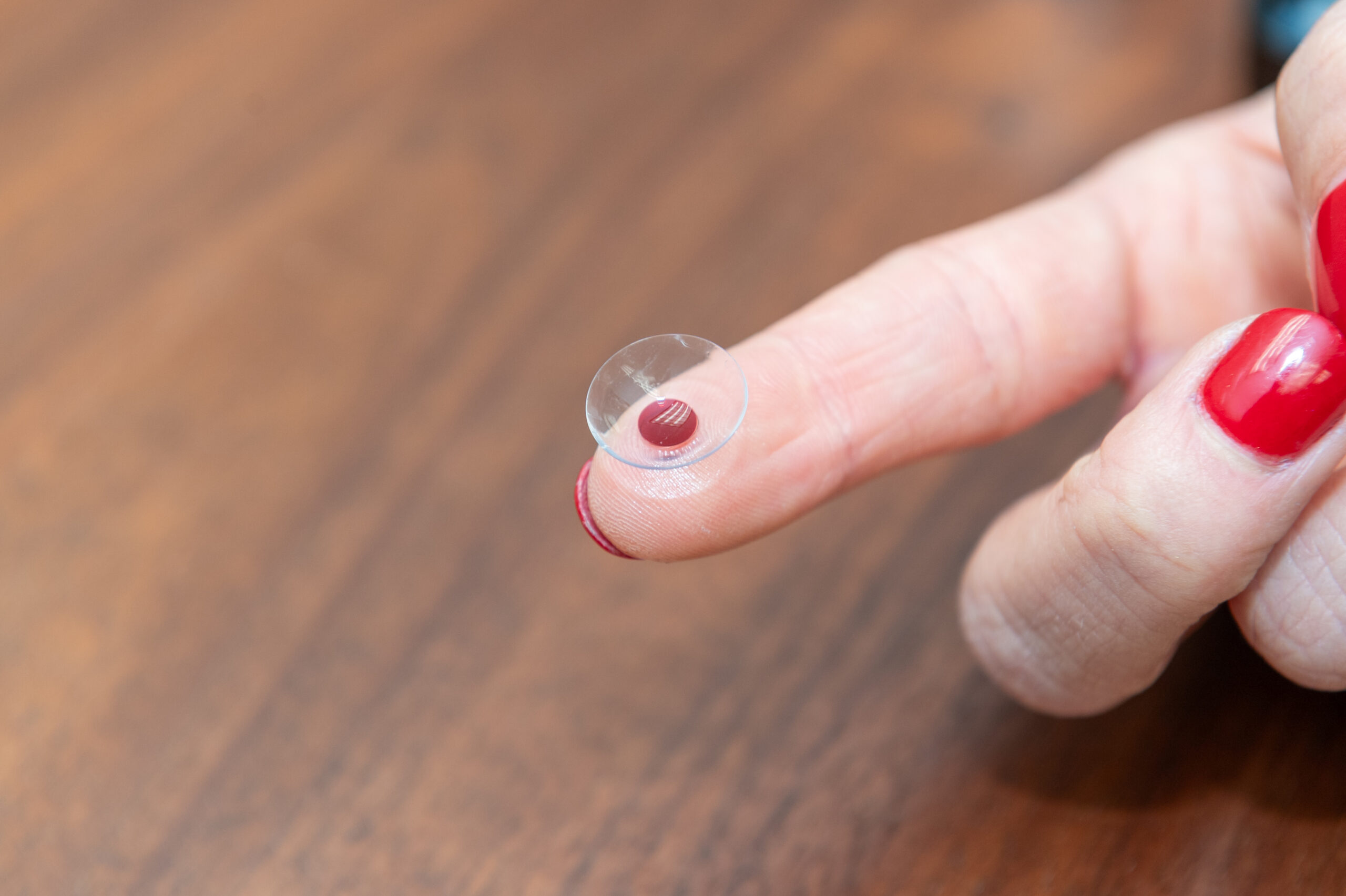
Scleral lenses rest on the white part of the eye while vaulting completely over the cornea. The fluid reservoir beneath the lens helps improve both comfort and visual clarity.
Patients experiencing severe dry eye often benefit from dry eye scleral lenses Raleigh, as the fluid-filled design keeps the cornea continuously hydrated throughout lens wear.
Custom Contact Lenses
Some patients require highly individualized lens designs based on detailed corneal measurements.
Providers offering custom contact lenses Raleigh use advanced fitting technology to create lenses specifically tailored to each patient’s eye shape and vision needs.
- Who May Benefit From Specialty Contact Lenses?
You may be a candidate if you have:
- Keratoconus
- Corneal scars
- Severe dry eye
- Irregular astigmatism
- Post-LASIK vision problems
- Corneal transplant history
- Poor vision despite updated glasses
Many patients who believed “nothing more could be done” experience dramatic improvements after specialty lens fitting.
- The Importance of Early Diagnosis
Ignoring persistent blurry vision can delay proper treatment.
Early diagnosis allows your eye care provider to:
- Detect progressive corneal diseases
- Recommend appropriate specialty lenses
- Monitor changes over time
- Improve long-term visual outcomes
The earlier an irregular cornea is identified, the more treatment options may be available.

- Why Choose Raleigh Contact Lens Institute?
Raleigh Contact Lens Institute specializes in diagnosing and treating patients with complex vision conditions that cannot always be corrected with glasses alone.
Using advanced diagnostic equipment and customized specialty lens technology, the practice develops individualized treatment plans for patients with keratoconus, severe dry eye, irregular corneas, and post-surgical vision challenges.
- Conclusion
If your vision remains blurry despite wearing the correct glasses prescription, an irregular cornea may be the underlying cause. Fortunately, specialty contact lenses can often provide significantly better vision by creating a smooth optical surface that glasses cannot achieve.
Whether you’re exploring dry eye scleral lenses Raleigh or custom contact lenses Raleigh, scheduling a comprehensive specialty lens evaluation can help determine the best solution for your unique eyes.

- Frequently Asked Questions
1. Why is my vision still blurry even with new glasses?
If your prescription is correct but your vision remains blurry, you may have an irregular cornea, keratoconus, corneal scarring, or another eye condition that glasses cannot fully correct.
2. What is an irregular cornea?
An irregular cornea is a cornea that has an uneven or distorted shape. Instead of focusing light evenly, it causes visual distortions such as blur, ghosting, glare, and halos.
3. Can specialty contact lenses improve blurry vision?
Yes. Specialty contact lenses create a smooth optical surface over the cornea, often providing significantly clearer vision than glasses for patients with irregular corneas.
4. What are scleral lenses?
Scleral lenses are large-diameter gas permeable lenses that rest on the sclera while vaulting over the cornea. They are commonly recommended for keratoconus, severe dry eye, and other complex corneal conditions.
5. Can scleral lenses help with dry eye?
Yes. Dry eye scleral lenses Raleigh patients receive are designed with a fluid-filled reservoir that continuously bathes the cornea, helping relieve symptoms while improving vision.
6. What conditions can cause blurry vision that glasses cannot fix?
Several conditions may be responsible, including:
- Keratoconus
- Corneal scarring
- Post-LASIK complications
- Corneal transplant healing
- Severe dry eye
- Irregular astigmatism
7. How are irregular corneas diagnosed?
Eye doctors use advanced technology such as corneal topography, corneal tomography, and comprehensive eye examinations to evaluate the shape and health of the cornea.
8. Are custom contact lenses better than standard contact lenses?
For patients with irregular corneas, custom contact lenses Raleigh specialists fit are often more effective because they are designed specifically for the individual’s eye shape and vision needs.
9. Who is a good candidate for specialty contact lenses?
Patients with keratoconus, corneal injuries, severe dry eye, irregular astigmatism, or persistent blurry vision despite glasses may benefit from a specialty contact lens evaluation.
10. Where can I get evaluated for specialty contact lenses in Raleigh?
Raleigh Contact Lens Institute offers advanced evaluations and customized specialty lens fittings for patients with complex eye conditions.